

Is depression a mental illness? We all go through changes in emotions. We laugh and cry, get angry and frustrated, and feel happy and sad. These are all normal feelings that happen to us from time to time.
But sometimes, these emotions can feel out of control. And this could be a result of a mental illness. They can take over your life and make it difficult to enjoy the things you love. Or they can cause you to feel nervous, sad, or anxious.
It’s a real thing, and it’s not just something you can “snap out of.” It’s a condition that affects millions of people every year and significantly impacts those who suffer from it.
What is a mental illness?
In the medical world, mental illness is an umbrella term that refers to conditions that cause changes in the way someone thinks, feels, or acts. It may result from addictive behaviors or other health challenges.
These mental health conditions can range from mild to severe and may be temporary or lifelong. Some of the most common mental illnesses include anxiety disorder and depression.
Mental illnesses are common and don’t discriminate: they affect everyone differently. Even though you might feel fine right now, you may have a mental illness or know someone who does.
What’s the difference between mental health and mental illness?
Mental health and mental illness are two very different things. Mental health is the state of being mentally healthy. Mental illness is a condition that affects the mind or behavior.
Mental health and mental illness are often used interchangeably, but significant differences exist. Everyone has mental health, just like everyone has health. The difference between the two terms is essential for people with mental illness because it helps them understand their condition and how to manage it.
Mental health professionals help people with mental illnesses learn how to cope with their common symptoms and live as successfully as possible. They can also help you figure out if you need help or are just having a bad day. Mental health professionals include psychiatrists, psychologists, social workers, and marriage and family therapists.
What is depression?
Depression is a common mental health condition that can affect anyone. However, it’s essential to understand that depression isn’t a weakness—it is a medical condition that can be treated. Many people with depression can live full, happy lives with proper treatment.
People with depression may experience feelings of hopelessness, extreme sadness, and emptiness for long periods. Sometimes, there are physical symptoms that accompany depression.
Some people experience feelings of depression as a result of trauma or loss; others may be impacted by their genetic disposition to the medical illness; still, others suffer from biological factors related to neurotransmitters such as serotonin or dopamine.
Types of depression
There are many types of depression, all of which have different depression symptoms, causes, and treatments. These include:
Major depressive disorder (MDD)
This is the most common form of depression and affects more than 14 million adults in the United States annually. MDD causes feelings of sadness, loss of interest or pleasure, poor appetite or weight loss, disturbed sleep patterns, and other physical symptoms such as headaches and chronic pain.
Seasonal Affective Disorder (SAD)
SAD is characterized by symptoms such as depression during the winter months (or rainy seasons) with less sunlight. The trait is inherited and has been linked to genetics.
Bipolar Disorder (BP)
Bipolar disorder is a severe mood disorder that involves extreme highs and lows in depressed moods accompanied by changes in behavior. People with bipolar disorder or bipolar depression experience episodes of mania (when they feel very happy or irritated) and episodes of depression (when they have feelings of sadness or emptiness).
Postpartum Depression (PPD)
Postpartum depression, also called major depressive disorder, is a type of depression during pregnancy or after childbirth. It’s different from other common types of depression because it’s not caused by a chemical imbalance in the brain but rather by hormonal changes after pregnancy.
Is depression considered a mental illness?
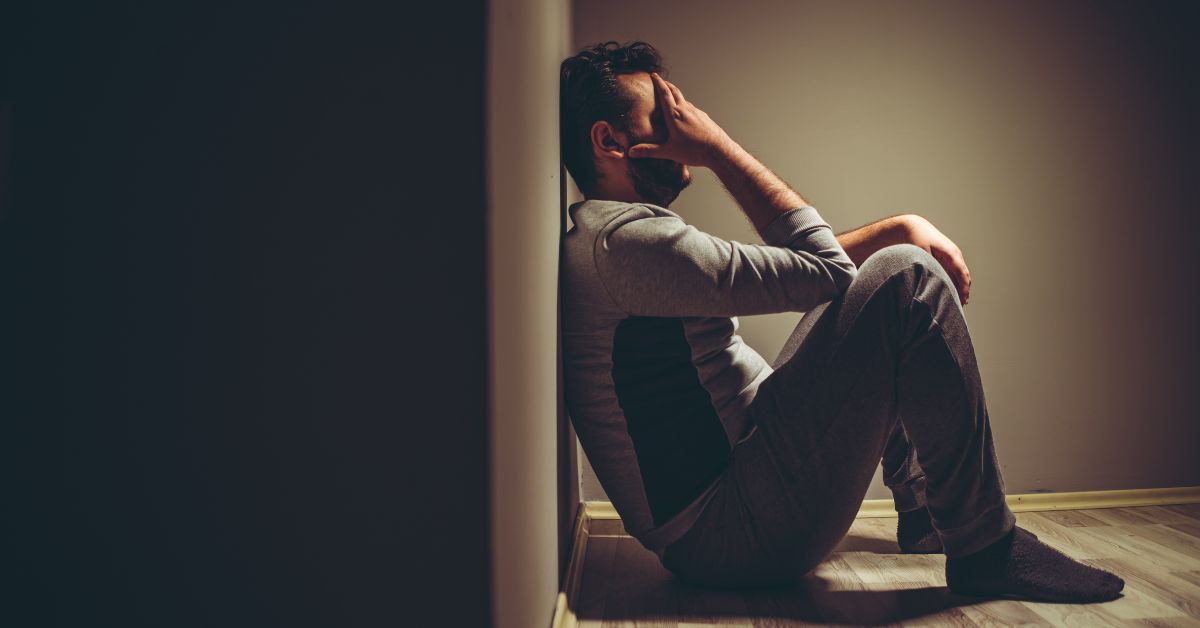
Yes, depression is considered a mental illness. It’s not just “feeling sad” or “being sad.” When you have depression, the depressive symptoms become so severe that it’s hard to function normally. You’ll be unable to sleep, eat well, or maintain your job or relationships. You might even think about suicide attempts at times.
Depression is a mental illness. But it’s not just any illness; it affects how you think and feel. And if you’re feeling depressed, don’t think that this means there’s something wrong with you—it’s more likely that your brain is misfiring. That doesn’t mean you’re not still suffering, though.
It is crucial to understand how depression works so that we can all learn more about how it affects us, our friends and family members who experience it, and those around us who do not realize they are suffering from this invisible illness yet still need help dealing with it.
A shift in thinking, understanding, and categorizing mental illness
It is essential to shift your thinking to understand mental illness. Instead of thinking of a person with a mental illness as someone who is crazy, who is a threat to others, or who needs to be “fixed,” think of them as a human being with the exact basic needs and desires as you.
A chemical imbalance causes mental illness in the brain, so it makes sense that there would also be a chemical imbalance in our bodies. Treating mental illness can often impact our health and wellness, so treating everyone with compassion and respect is essential.
When you see someone with mental illness as just another human being like yourself instead of something different or even dangerous, you’re more likely to believe they deserve help. By understanding their experience and empathizing with them instead of viewing them through a binary lens of “normal” vs. “not normal,” you can help them get the treatment they need because they deserve it!
When to see a mental health professional
If you’re worried that life’s stresses might negatively impact your mental health, it’s worth talking to a medical professional. It’s not something to be ashamed of, and getting help is essential. Just remember it is vital that these days, it’s okay if you don’t feel 100% ready for this conversation. There are ways around it: you can start with a friend or loved one and worked your way up to asking for professional help.
How to support someone with depression
The best way to support someone with a mental illness is to understand that they are human—and if you have questions or concerns about how they’re feeling, ask them! If someone in your life is going through something difficult, reach out for support from friends, family members, or professionals who can help guide your loved one through their journey toward wellness.
Depression is not a weakness; it’s a mental illness that needs treatment so that you can get better!
It can be hard to know what to do when feeling down. So many factors contribute to depression—and sometimes, we don’t know where to turn when we’re feeling overwhelmed by our feelings.
But there is hope. Treatment for depression can make a big difference in your life, and we want you to know that you aren’t alone on this journey. You are loved and cared for, and we’re here for you every step of the way.